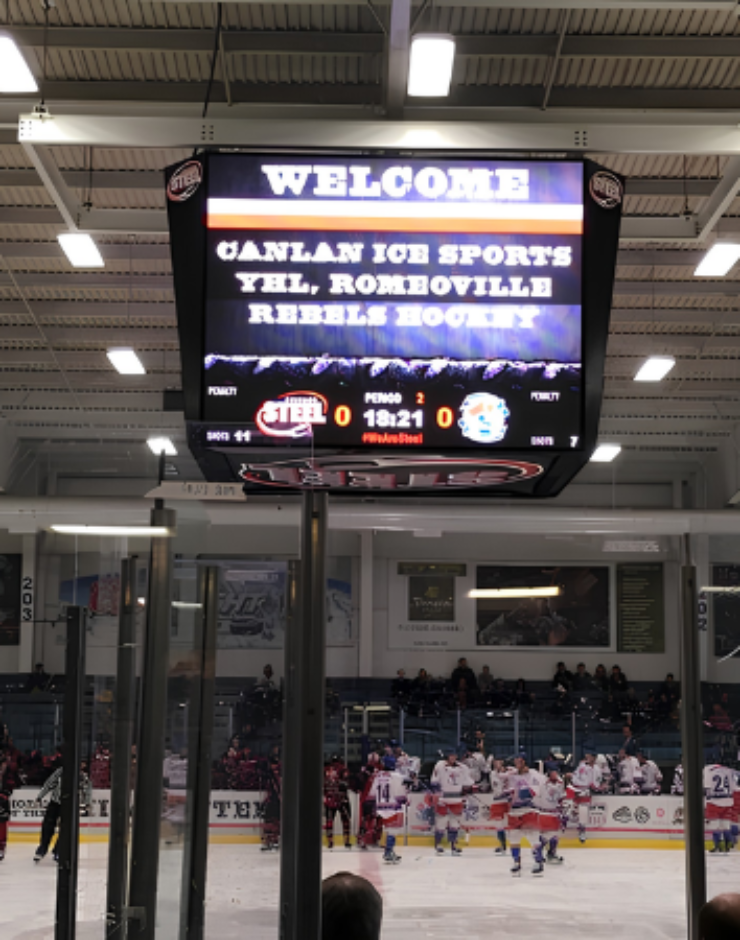
Radiance Energy upgraded lighting throughout Canlan Oshawa, reducing energy and maintenance costs while improving visibility and lighting quality across ice rinks and supporting facility spaces.
Client:
Canlan Oshawa
Solution:
LED Lighting
Key Result:
76% Energy Savings
Location:
Oshawa, ON

Project Overview

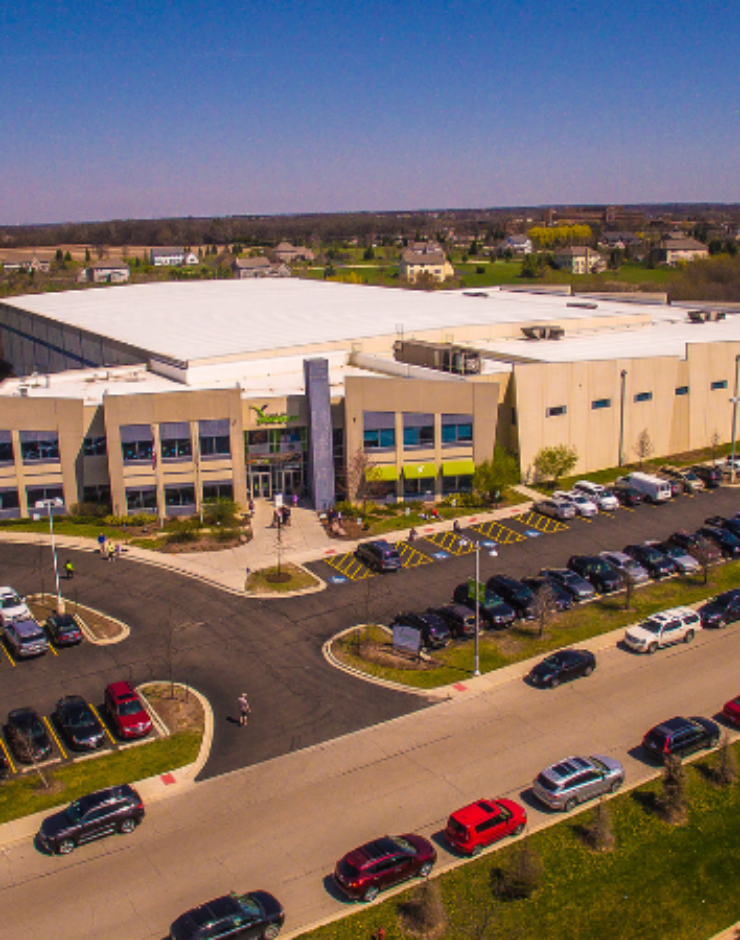
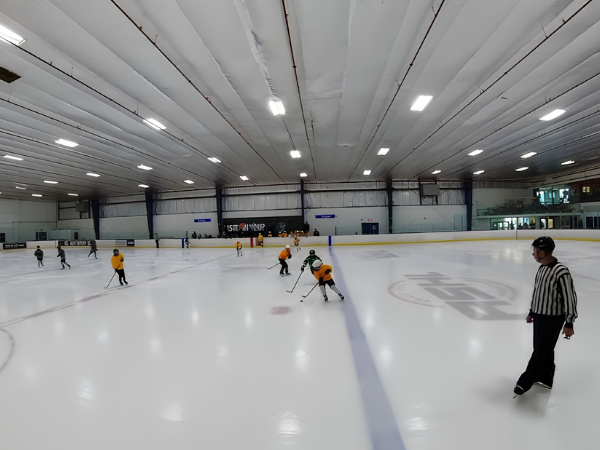
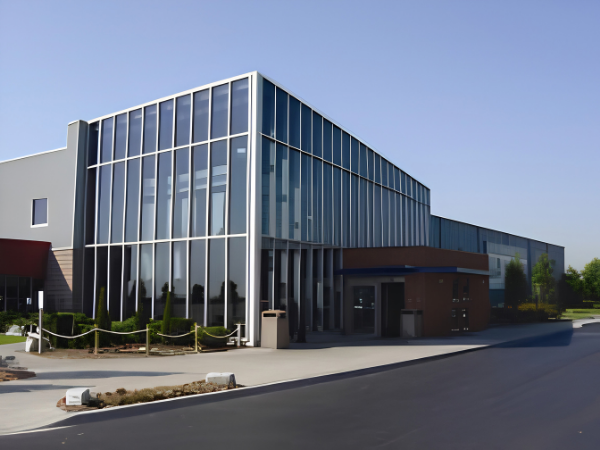
Canlan Oshawa is a multi-purpose sports and recreation complex featuring two NHL-sized ice rinks along with restaurant, event, retail, and recreation spaces.

Radiance Energy was selected to upgrade lighting across the ice rinks, change rooms, restaurant, mechanical rooms, and hallways, with a focus on reducing energy consumption while improving lighting performance throughout the facility.
The Challenge

The existing lighting system was energy intensive, required frequent maintenance, and did not provide the quality of illumination expected in a busy ice sports environment.
Canlan needed a solution that could lower operating costs while improving visibility for athletes, patrons, and staff across both rink areas and supporting spaces.

The Solution

Radiance Energy developed a tailored LED retrofit using high-efficacy T8 LED tubes and long-life high-bay fixtures rated for approximately 102,000 hours.

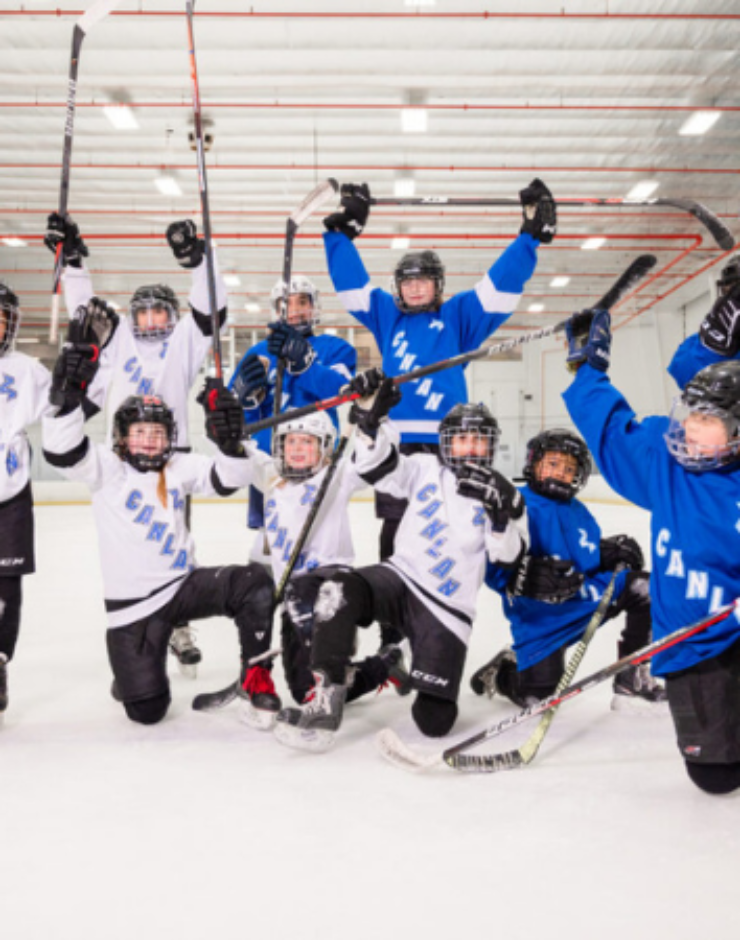
The new system reduced energy consumption, lowered maintenance requirements, and improved lighting quality across the facility. The retrofit also reduced glare and shadows on the ice, creating a more consistent environment for players and spectators. 

Project Results

  • 76% energy savings
  • 267,143 kWh annual energy savings
  • $41,614 in annual cost savings
  • 3.1-year ROI
  • $395,562 projected cumulative net savings over 10 years
  • Reduced maintenance requirements
  • Improved ice-surface visibility and reduced shadows

Better Lighting for Ice Sports

Ice arenas require high-output lighting that remains consistent across large playing surfaces while operating for long hours.
At Canlan Oshawa, the retrofit improved visibility on the ice while substantially reducing the energy and maintenance burden associated with the existing system. The result was a more efficient lighting environment better suited to athletes, spectators, and facility operations.